
Befriending programs have emerged as a significant intervention in enhancing the mental and emotional well-being of seniors. As people age, they often face various challenges such as loneliness, isolation, loss of loved ones, and declining physical health, which can adversely affect their mental and emotional health. Befriending programs aim to address these issues by providing companionship, emotional support, and social engagement.
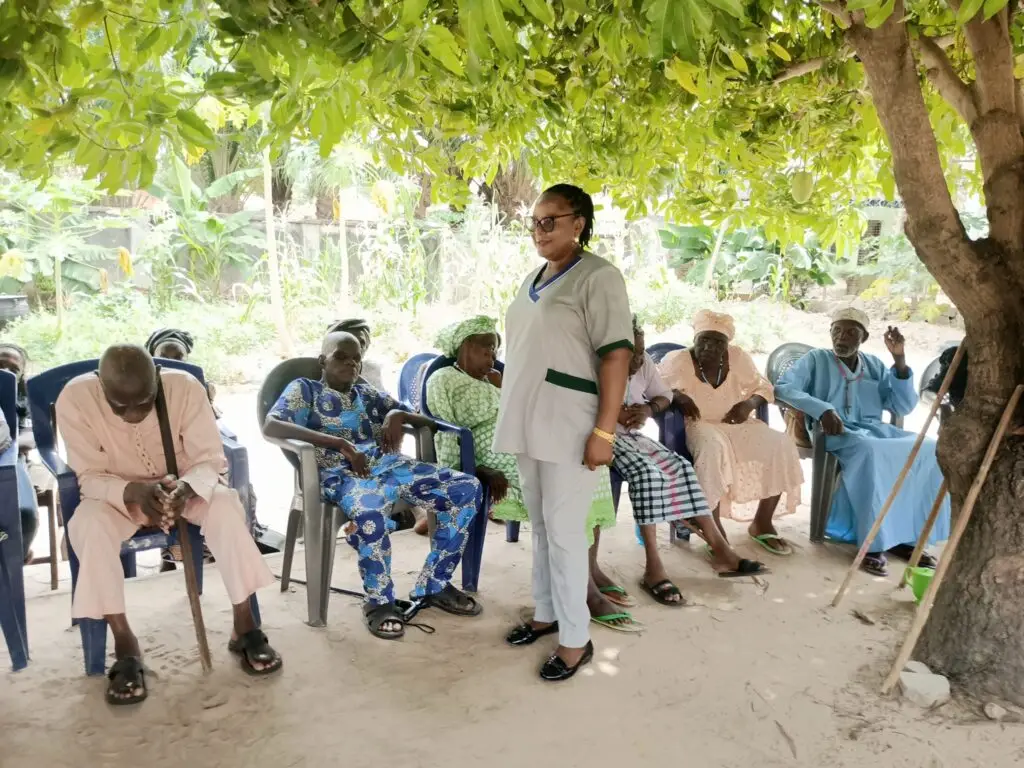
One of the key influences of befriending programs on seniors’ mental and emotional well-being is the social connection they offer. Many seniors may experience social isolation due to factors such as retirement, mobility issues, or the loss of friends and family members. Befriending programs connect seniors with volunteers or peers who provide regular social interaction, conversation, and companionship. This helps combat loneliness and provides seniors with a sense of belonging and connection to the community, which are crucial for their mental and emotional health.
Moreover, befriending programs can also provide emotional support to seniors, especially those who may be going through difficult life transitions or facing health challenges. Having someone to talk to and share their feelings with can significantly alleviate feelings of sadness, anxiety, or depression. Befrienders can offer a listening ear, empathy, and encouragement, helping seniors cope better with their emotions and build resilience.
Another important influence of befriending programs is the opportunity for seniors to engage in meaningful activities and hobbies. Many befriending programs organize group activities, outings, or events tailored to seniors’ interests, which provide opportunities for socialization and enjoyment. Engaging in such activities can boost seniors’ mood, stimulate their minds, and foster a sense of purpose and fulfillment, contributing to their overall well-being.
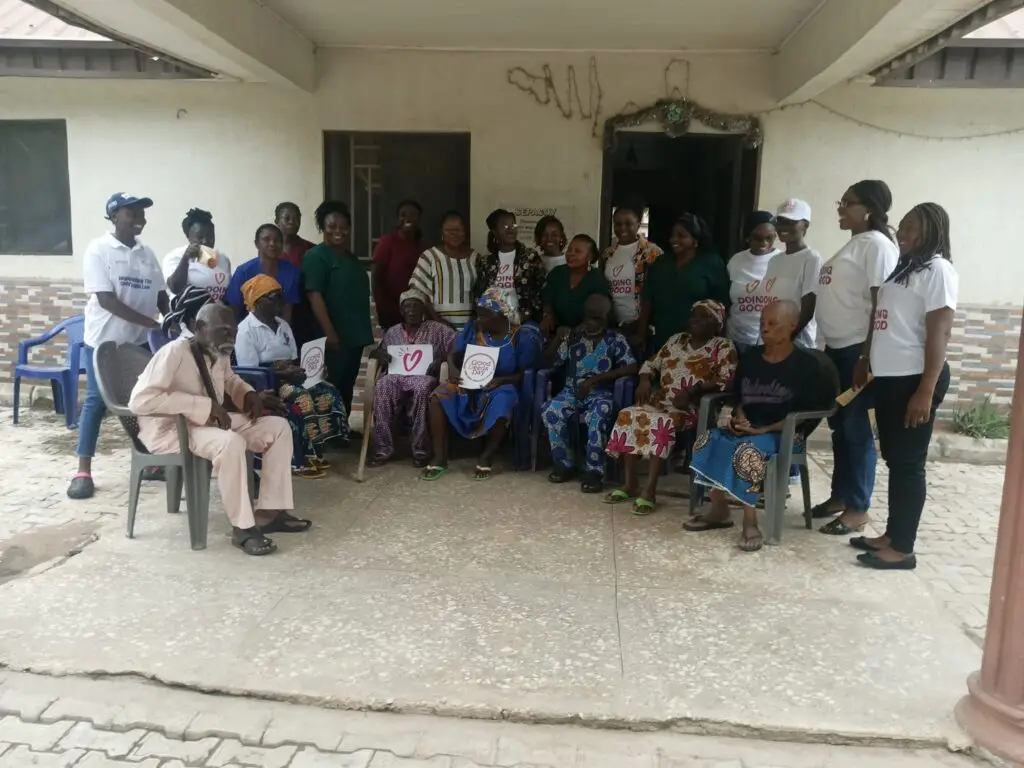
Additionally, befriending programs can serve as a source of practical support for seniors, such as assistance with errands, transportation, or accessing community resources. This can help seniors maintain their independence and quality of life, reducing stress and anxiety associated with managing daily tasks or navigating complex systems.